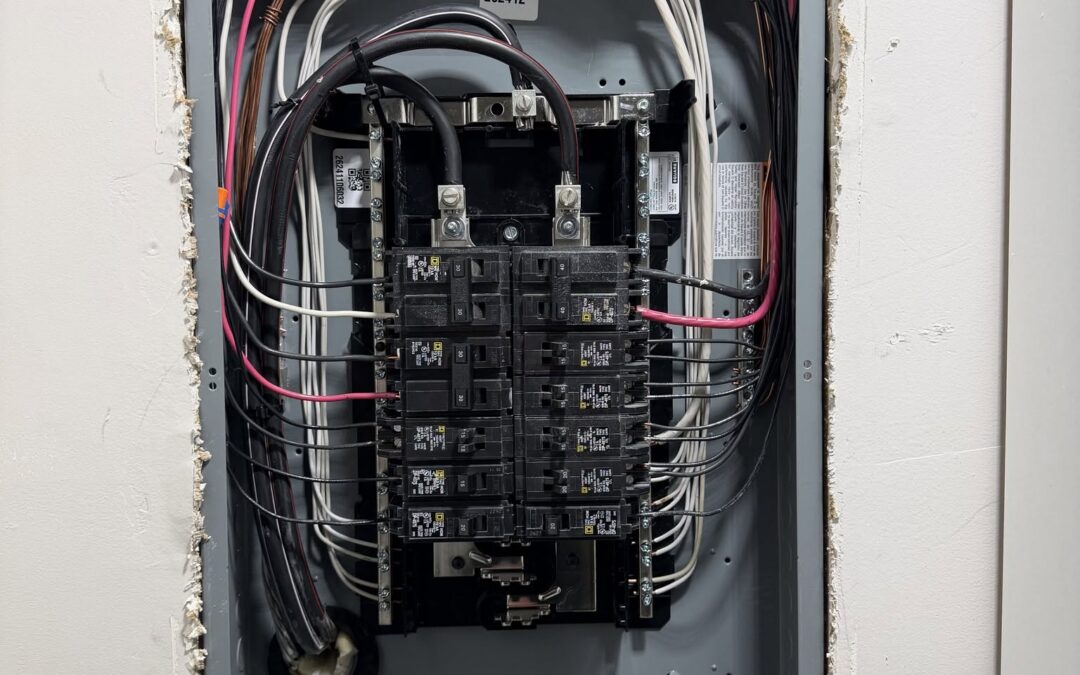
When you flip on the microwave, start a load of laundry, and kick on the central air conditioning, your home’s main electrical system works behind the scenes to keep the power flowing safely. But as modern homes embrace electric vehicles, heat pumps, induction cooktops, and smart home tech, evaluating a 100 amp vs 200 amp panel upgrade has shifted from a background thought to a critical home improvement decision.
Understanding whether a 100-amp panel is enough—or if it’s time to upgrade to 200 amps—comes down to your current usage, equipment needs, and future plans.
What Does Panel Amperage Actually Mean?
Think of amperage as the width of a main water supply pipe. The higher the amps, the more volume of electricity can flow into your home simultaneously without overloading the system. If you try to draw more current than your main breaker is rated for, the breaker trips to prevent electrical fires, melted insulation, and equipment damage.
| Feature | 100-Amp Panel | 200-Amp Panel |
|---|---|---|
| Ideal Home Size | Under 1,500 sq. ft. | 1,500 to 3,500+ sq. ft. |
| Typical Appliance Setup | Gas heating, gas dryer, gas water heater | Electric heating/heat pump, electric dryer, electric range |
| High-Draw Equipment | Standard central AC, basic kitchen appliances | Level 2 EV charger, hot tub, RV hookup, workshop tools |
| Panel Expansion Space | Limited circuit breaker slots (12–20 spaces) | Generous expansion capacity (30–40+ spaces) |
| Standard Status | Common in pre-1980s homes | Today’s standard for modern construction |
Key Signs You Need a 200-Amp Service Upgrade
While a 100-amp service may be sufficient for a smaller house with gas appliances, modern living quickly pushes its limits. You likely need a 200-amp upgrade if:
-
Flickering or Dimming Lights: Lights dim whenever the HVAC unit, refrigerator, or microwave kicks on.
-
Frequent Circuit Tripping: Breakers trip routinely during peak household activity.
-
Adding Major Electric Load: You are installing a Level 2 electric vehicle charger, hot tub, sauna, or tankless electric water heater.
-
Switching from Gas to Electric: Converting to all-electric heat pumps or induction cooktops requires significant extra ampacity.
-
No Room in the Breaker Box: Your panel is physically full, with no empty breaker spaces left for additions.
Beyond the Breaker Box: Why Upgrading Means Upgrading the Exterior Meter Too
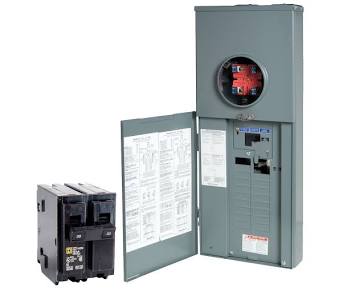
A common misconception among homeowners is that a “panel upgrade” only involves changing out the indoor breaker box. In reality, executing a 100 amp vs 200 amp panel upgrade is a full service replacement that almost always includes your exterior equipment.
Here is why the exterior components must be replaced alongside your interior panel:
1. Replacing the Exterior Meter Socket
Your utility meter sits inside an exterior enclosure called a meter socket (or meter base). A 100-amp meter socket is physically rated for a maximum of 100 amps of current. Feeding 200 amps of current through a 100-amp socket creates a major fire risk. Upgrading requires installing a heavy-duty 200-amp rated meter socket or a combination “meter-main” enclosure.
2. Upgrading Service Entrance Cables
The thick wires running from the power company’s overhead transformer (or underground lateral) down your home’s exterior to the meter base must also be enlarged. A 100-amp system typically uses smaller gauge wire, whereas a 200-amp system requires much thicker copper or aluminum service conductors (such as 2/0 copper or 4/0 aluminum) to carry the increased load safely without overheating.
3. Meeting National Electrical Code (NEC) Emergency Disconnect Rules
Recent updates to the National Electrical Code (NEC Article 230.85) require an emergency main disconnect on the outside of residential homes. This allows firefighters and emergency responders to safely shut off power to the entire house from the outside without entering during a fire or emergency. Installing a new exterior meter-main combo panel ensures your home is fully compliant with modern building safety codes.
4. Utility Company Coordination
Because the exterior meter connects directly to the power grid, a service upgrade requires coordination with your local electric utility company. Licensed electricians schedule a disconnect with the utility, replace the exterior weatherhead, service mast, wire, and meter base, pass a municipal safety inspection, and then have the utility reconnect power and install a new 200-amp meter.
Protecting Your Investment for the Future
Upgrading to a 200-amp service—complete with a new exterior meter socket and service entrance—does more than just stop breakers from tripping. It increases your home’s resale value, satisfies current national building codes, protects sensitive electronics from voltage dips, and ensures your home is ready for future clean energy upgrades. Is your home’s electrical system ready for modern demands? Don’t wait for an overloaded panel to leave you in the dark. Contact our team of licensed electricians today to schedule a comprehensive electrical panel evaluation and get a free, upfront estimate on your service upgrade!