
Electrical issues can disrupt your daily life, especially when you’re busy running a household along the Wasatch Front. While some power problems require a licensed professional, a few simple electrical troubleshooting steps can safely resolve minor hiccups. Here is how to diagnose common home electrical problems—and exactly when it’s time to call in the pros.
1. The Tripping Circuit Breaker
It’s a familiar annoyance: you plug in the vacuum or run the microwave, and the power drops.
-
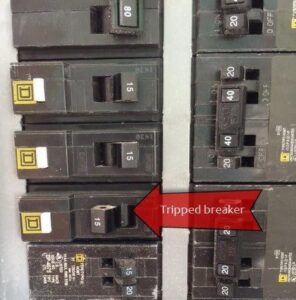
What you can do: First, identify the tripped breaker in your panel (it will usually be resting in the middle position). Unplug heavy-draw appliances on that specific circuit, then firmly push the switch fully off before clicking it back to the on position.
-
When to call a pro: If the breaker trips again immediately, or if you notice a buzzing sound or burning plastic smell coming from your panel, step away. This is a severe fire hazard. You will need a professional for circuit breaker repair or potentially complete breaker box repair to ensure your home can handle the electrical load safely.
2. Dead Outlets and Unresponsive Switches
A dead outlet or a switch that does nothing can halt your routine in its tracks.
-
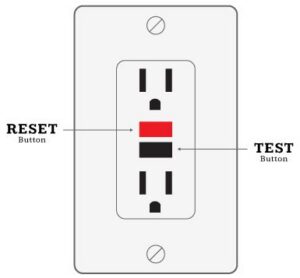
What you can do: For kitchen or bathroom outlets, look for a GFCI button right on the faceplate—press “Reset” to see if power returns. For switches, check your main panel to ensure a breaker hasn’t simply tripped.
-
When to call a pro: Never ignore outlets with scorch marks, faceplates that feel warm to the touch, or plugs that fall out of the socket easily. These are classic signs of loose, arcing connections behind the drywall that require safe electrical wiring repair. Do not attempt to rewire these yourself; rely on an expert for proper outlet repair and light switch repair.
3. Flickering Lights and Noisy Ceiling Fans
Your home’s lighting and airflow fixtures should operate silently and steadily.
-
What you can do: If a single light flickers, safely tighten the bulb or test a new one. If a ceiling fan is clicking or humming, ensure the pull chains aren’t hitting the light globe and give the blades a quick dusting to fix minor balance issues.
-
When to call a pro: Widespread flickering across multiple rooms usually points to a failing main connection or an overloaded circuit. Similarly, a fan that grinds, smells like smoke, or refuses to turn on indicates a motor failure or wiring fault. Given the heavy weight and constant motion of these fixtures, expert ceiling fan repair and professional lighting installation are critical to ensure they are securely mounted and wired.
Attempting DIY fixes beyond these basic steps isn’t worth the risk to your family or your property. When you reach the limits of safe troubleshooting, trust the team at JP Electrical to handle the heavy lifting. If you need reliable electrical repairs that Salt Lake City residents trust, getting help is easy. Just give us a call or shoot us a quick text message, and our dispatch team will get a licensed technician routed straight to your door.