
When it comes to fueling an electric vehicle, not all chargers are created equal. While the internet loves to hype up ultra-fast Level 3 stations, trying to install one at a residential property is a bit like trying to hook a jet engine up to a lawnmower. Understanding the distinct gap between everyday Level 2 home charging and heavy-duty commercial Level 3 infrastructure is the key to avoiding wasted money and unnecessary electrical overhauls. Here is the unvarnished electrician’s guide to how they work, where they belong, and what setup is right for your property.
Level 2: The Residential Workhorse
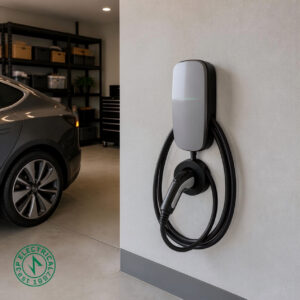
If you drive an EV daily, Level 2 is what you want in your garage. It runs on a dedicated 240-volt circuit—the exact same voltage as an electric dryer or oven. It fully replenishes an empty battery overnight, easily covering 99% of typical driving needs.
When customers call asking if they need a massive electrical overhaul for Level 2, the answer is usually no. While adding a charger does increase your home’s electrical load, a standard 200-amp panel can usually handle it.
Behind the scenes, we size these circuits carefully using the National Electrical Code (NEC) continuous-load rule, which requires a breaker rated at 125% of the charger’s draw. For instance, a popular 40-amp charger needs a 50-amp breaker and thick copper wiring, while a 32-amp setup can safely run on a 40-amp breaker. Even if your panel is tight on space, we frequently use smart splitters to share an existing dryer circuit or install a load management device rather than forcing an expensive panel upgrade. (Pro tip: If you are upgrading your panel for an EV, it’s the perfect time to add a whole-home surge protector to shield your car’s sensitive electronics, or even prep for a Generac standby generator.)
Level 3: The Commercial Heavyweight
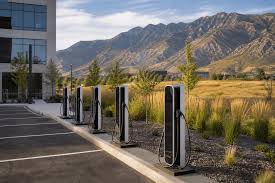
I occasionally get calls from homeowners wanting a “fast charger” installed at their house so they can juice up in 15 minutes. The reality is that Level 3 chargers—often called DC Fast Chargers (DCFC)—simply cannot go in a residential garage.
It comes down to raw physics and electrical infrastructure. While a Level 2 charger uses your home’s standard AC power and lets the car’s on-board charger convert it to DC, a Level 3 station does the heavy lifting outside the car. It rectifies AC power into massive streams of high-voltage direct current, requiring 480-volt, three-phase power and dedicated utility transformers that simply do not exist on residential streets.
Installing a single commercial-grade DC fast charger involves heavy-duty commercial electrical upgrades, complex coordination with local utility providers like Rocky Mountain Power, civil engineering for concrete pads and bollards, and hardware costs that can easily top $40,000 to $100,000+ before labor. On top of that, utility demand charges for commercial fast charging can break a standard residential budget overnight.
These heavyweights are built for a completely different purpose: quick, high-volume turnarounds at highway corridor travel plazas, fleet depots, and major retail hubs where drivers are paying a premium to get back on the road in 20 to 30 minutes.
Ready to Upgrade Your Property’s Charging Capacity?
Whether you need a reliable Level 2 home charger installed in your garage along the Wasatch Front or you’re a commercial property manager planning an EV infrastructure project, getting the wiring right the first time is critical. Don’t leave your electrical upgrades to chance. Contact JP Electrical today to schedule your consultation, request an estimate, or chat with our expert team about your residential and commercial electrical needs.